Vladimir Putin personally thanked North Korea for sending soldiers to fight in Russia — and North Korea’s top diplomat promised to stand by Moscow “until the day of victory.”
Story Snapshot
- Putin met North Korean Foreign Minister Choe Son-hui at the Kremlin and publicly thanked Pyongyang for military support in Russia’s Kursk region.
- North Korea has sent between 10,000 and 15,000 troops to Russia, according to U.S. and South Korean intelligence assessments.
- North Korea’s foreign minister pledged full support for Russia’s war in Ukraine, calling it a commitment that will last “until the day of victory.”
- The two countries signed a formal military partnership in 2024, and this latest meeting signals the alliance is growing stronger.
Putin Thanks North Korea — Openly
Russian President Vladimir Putin met with North Korean Foreign Minister Choe Son-hui at the Kremlin and made no effort to hide his gratitude. Putin publicly thanked Pyongyang for its military support in Russia’s Kursk region. He also said Russia would “never forget” the deeds of Korean soldiers who received Russian state awards. That kind of public praise is notable — both Moscow and Pyongyang had long avoided directly admitting any military cooperation.
This was Choe’s second trip to Russia in just six weeks. Before meeting Putin, she sat down with Russian Foreign Minister Sergei Lavrov. There, she declared that North Korea would stand with Russia “until the day of victory” in Ukraine. That phrase is not diplomatic small talk. It signals a long-term commitment — not a limited, transactional deal.
Troops, Shells, and a Signed Alliance
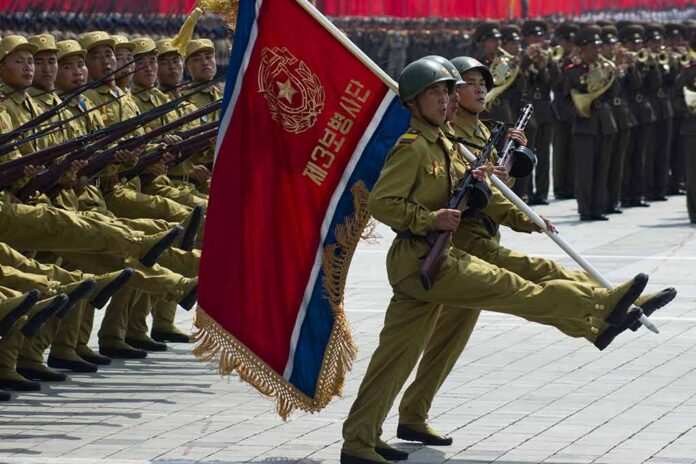
The troop numbers are significant, even if exact figures vary. The U.S. Pentagon reported roughly 10,000 North Korean soldiers sent to Russia, with about 8,000 positioned in the Kursk region. South Korea’s intelligence service put the total higher — around 15,000 troops deployed since last fall, along with large amounts of artillery and ballistic missiles. Ukraine’s officials have suggested the number could climb even higher, with reports of plans for up to 30,000 additional troops.
This military relationship has a formal foundation. In 2024, Putin and North Korean leader Kim Jong Un signed a Comprehensive Strategic Partnership Agreement. That deal includes provisions for mutual military support. North Korea has also been accused of shipping millions of artillery shells to Russia to fuel the war in Ukraine. The Kremlin meeting with Choe fits a clear pattern: this alliance is not informal or accidental. It is structured, documented, and growing.
What This Alliance Means for the Rest of the World
For Americans watching from home, this partnership raises real questions. Two heavily sanctioned, authoritarian governments are combining their military resources to sustain a war in Europe. Russia gets manpower and ammunition. North Korea gets technology, economic relief, and a powerful ally. Neither side has much to lose from the arrangement — and both leaders benefit from keeping it going, regardless of the cost to their own people or to global stability.
Putin, North Korean foreign minister meet in Moscow as strategic partnership deepens
Vladimir Putin and North Korea’s foreign minister Choe Son-hui held talks in Moscow as Russia and North Korea continued to deepen their strategic partnership, fuelling speculation over another…
— Research, News & Analysis (@RNA_NewsMedia) July 20, 2026
The situation also puts pressure on U.S. allies in Asia. South Korea summoned Russia’s ambassador after the troop deployments became public. Japan and other regional partners are watching closely. The bigger concern — shared across the political spectrum — is that the world’s most isolated and dangerous regimes are forming tighter bonds. When authoritarian governments pool their military power, the consequences rarely stay contained to one region. That is a fact worth paying attention to, no matter where you stand politically.
Sources:
scmp.com, anews.com.tr, en.kremlin.ru, uk.news.yahoo.com, youtube.com, abc7news.com