Two men were stabbed in broad daylight on Manhattan’s Upper West Side after a suspect allegedly yelled “Allahu Akbar,” and officials are now weighing whether this was a hate crime or another sign of a system that keeps failing on both public safety and mental health.
Story Snapshot
- Police say witnesses heard the suspect yell “Allahu Akbar” during both stabbings on the Upper West Side.
- The victims were described as an Asian man and a Jewish man, raising questions about hate and targeting.
- The suspect, 51‑year‑old Raul Morales, was arrested, while motive and possible mental health issues remain under investigation.
- The case highlights deeper anger across the political spectrum about crime, extremism, and government failure to protect ordinary people.
What Police Say Happened on the Upper West Side
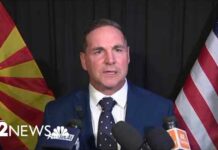
New York City Police Department officials said two men were stabbed in separate but closely timed attacks near Central Park West and Amsterdam Avenue on Manhattan’s Upper West Side. Both attacks happened in broad daylight on a busy weekday afternoon, not in some dark alley where no one was around. Police and city leaders reported that witnesses heard the suspect yell “Allahu Akbar” during both stabbings, tying the words directly to the violence. Officers arrested 51‑year‑old Raul Morales on the Upper West Side and said no other suspects are being sought. Both victims survived and were hospitalized in stable condition, according to authorities.
Law enforcement reports say one victim was an Asian man and the other was a Jewish man, which is why many officials and community voices quickly raised the idea of a possible hate crime. One victim was allegedly attacked while walking near a synagogue, adding to concern that he may have been targeted for his visible identity and religious practice. Yet police also stressed they have found no known personal link between Morales and either victim, and that the victims did not know each other. That detail suggests the attacks were unprovoked and may have been either random or symbolic, not part of a personal feud.
Hate Crime Suspicions Versus Mental Health Concerns
New York City’s police commissioner said detectives are evaluating whether the stabbings should be treated as a hate crime, and that the motive is still under investigation. At the same time, she noted that early information suggests mental health may have played a role, even though the department had no prior mental health history on Morales. This split focus—hate crime on one side, mental health on the other—has become very common in violent cases that involve charged language or religious phrases. Officials are trying to avoid rushing to judgment, but many New Yorkers hear “Allahu Akbar” and see an Asian and a Jewish victim and assume extremism right away. Others worry that “mental health” gets used as a vague label whenever government does not want to admit deeper problems with crime or ideology.
Community reactions show how both conservatives and liberals feel the system is failing. Many Jewish and Asian residents see this as one more example of rising hate and weak protection, especially in big cities where police seem stretched thin and political leaders argue more than they act. Conservative voices point to repeated attacks involving religious language and blame loose borders, soft‑on‑crime policies, and a refusal to speak plainly about extremist beliefs. Liberal voices focus on the lack of mental health care, the widening gap between rich and poor, and a justice system they see as slow to address bias and discrimination. Both sides, however, share a core frustration: government reacts after the fact, holds press conferences, and then moves on while ordinary people still feel unsafe on their own streets.
Why This Case Taps Into Deeper National Frustration
These stabbings hit a nerve because they fit a pattern many Americans recognize. A violent act happens. Witnesses report a dramatic phrase, in this case “Allahu Akbar.” News outlets blast the words in headlines and social posts, while officials urge patience and say they are still “investigating motive.” Weeks or months can pass before the public sees any clear answer on whether the attack was driven by hate, ideology, mental illness, or some mix of all three. For families walking their kids near Central Park, that delay does not feel like caution; it feels like evasion from a political class more worried about spin than safety.
Two men stabbed in broad daylight on the Upper West Side today — one Jewish, one Asian.
According to NYPD Commissioner Jessica Tisch, the suspect yelled “Allahu Akbar” during both attacks.
One of the victims was stabbed outside a synagogue.
The attacker, 51-year-old Raul Morales,… pic.twitter.com/VAOlfRgjua— Robert Toney (@RobertJoeToney) July 24, 2026
Across the country, people on the right and left are tired of watching the same movie repeat. They see violent incidents where warning signs were missed, mental health support was thin, and known troublemakers still roamed free. They see elites and agencies argue over labels—hate crime, terrorism, random violence—while average citizens just want to know if it is safe to go to synagogue, walk in the park, or ride the subway. The Upper West Side case, with its mix of religious words, identity‑based victims, and unclear motive, reinforces a growing belief that America’s institutions are better at controlling narratives than controlling real threats. For many, that is the most frightening part of the story.
Sources:
townhall.com, abcnews.com, timesofisrael.com, facebook.com, cnn.com, jpost.com, jfeed.com