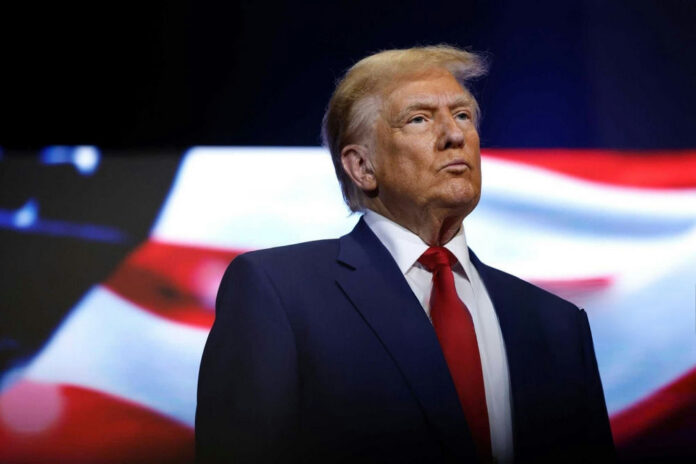
Washington is trying to speak over Tehran and directly to ordinary Iranians, turning a language campaign into a test of whether the regime still controls the narrative.
Quick Take
- The Trump administration has used Persian-language messaging to tell Iranians their future should be decided by their own people, not by the current regime.[2]
- The message comes amid a broader pressure campaign that mixes diplomacy, threats, and public warnings against Iran’s leadership.[1][2]
- Supporters say the outreach separates the Iranian public from the government; critics see it as foreign interference in domestic politics.[1]
- The dispute reflects a wider struggle over whether U.S. communication strengthens Iranian dissent or deepens instability.[1]
Direct Message to Iranians
The State Department’s Persian-language outreach has framed Iran’s problems as the fault of its rulers, not its people, and has done so in a way that bypasses the government in Tehran.[2] Fox News reported that the administration intensified criticism of Iran’s regime on its Persian-language account, describing the posts as a direct warning to Iran’s “totalitarian rulers.”[1] That approach is meant to reach Iranians where the regime cannot easily control the message.
Supporters of the campaign argue that this kind of messaging gives voice to Iranians who reject clerical rule and want a future shaped by citizens rather than security forces.[1] The logic matches Trump’s broader stance toward Iran, which has combined public pressure with warnings of military consequences if Tehran refuses to change course.[1][2] In that sense, the Persian-language posts are not isolated statements. They are part of a larger effort to weaken the regime’s claim that it alone speaks for the nation.
Why the Message Matters Now
The timing matters because Trump’s Iran policy has included both outreach and threats. Arms Control Association reported that Trump sent a letter to Supreme Leader Ali Khamenei seeking a nuclear deal while also warning Iran of military action if talks fail.[1] The White House has separately argued that recent strikes and pressure tactics were meant to force peace while stopping Iran from getting a nuclear weapon.[2] Together, those moves show a strategy built on coercion, not quiet diplomacy.
That mix helps explain why the messaging lands differently depending on the audience. Iranian activists and some outside observers view it as encouragement for dissent, while critics say it crosses into coercive propaganda and risks destabilizing civilians caught between outside pressure and internal repression.[1] The strongest practical question is not whether Washington wants to be heard. It is whether Iranians interpret the message as solidarity, interference, or both.
What This Signals About U.S.-Iran Relations
The latest Persian-language outreach fits a long pattern in which the United States uses public diplomacy to separate “the people” from “the regime.” That strategy can be politically useful because it allows Washington to condemn Iran’s leaders while claiming support for ordinary citizens. It also reveals how much of the relationship now runs through information warfare and symbolism, not just negotiations, sanctions, or military posturing.
For readers on both the right and the left, the larger issue is familiar: an executive branch using direct communication, pressure, and spectacle to shape events abroad while skipping traditional channels of trust.[1][2] If the messaging empowers protesters, it may help expose the regime’s weakness. If it backfires, it can reinforce the view that great powers manipulate smaller nations for their own ends. Either way, the conflict over the message is itself part of the story.
Sources:
[1] Web – Trump Admin Goes Over the Ayatollahs’ Heads With New Message to …
[2] Web – Trump admin Persian messaging emboldens Iran protesters after …