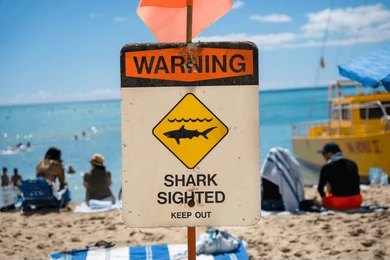
Despite scary headlines about “surging” shark attacks, the best data shows U.S. bites remain rare and within normal ranges.
Story Snapshot
- The United States led the world in unprovoked bites in 2025, but totals were modest.
- Florida again had the most incidents, while deaths stayed very rare.
- Odds of dying from a shark bite are over 4 million to 1, experts say.
- Claims of a 2026 “surge” lack solid nationwide data so far.
What We Know From Recent, Verified Counts
Florida Museum’s International Shark Attack File reported that the United States had the most unprovoked bites in 2025, with 25 confirmed cases, matching long-term patterns. USA Today’s review found overall U.S. incidents in 2025 were lower than 2024, not higher. These figures do not suggest a national spike. They do show the same coastal hotspots, the same species concerns, and the same seasonal rhythms seen for years. Most events are minor, and most victims survive.
USA Today’s breakdown highlights Florida as the clear leader in incidents, with California a distant second tier. Florida recorded 15 cases in 2025, while California had four, which aligns with many past years. World Population Review also underscores that deadly outcomes in the United States are rare compared with total activity in the water. Together, these sources portray a steady picture rather than a sharp and sudden rise in dangerous encounters.
Risk, Odds, and Why Headlines Feel Bigger Than Reality
Risk remains low in plain terms. USA Today cites odds of death from a shark encounter at more than 4 million to 1. The Florida Museum’s yearly summaries emphasize that global totals average about 65 bites per year and about six fatalities, numbers that keep the danger in perspective. Media studies show that “attack” language can inflate fear even when many reports involve no or minor injury, which helps explain public anxiety after single dramatic cases.
Scientists urge careful language and context. The Florida Museum distinguishes unprovoked bites from provoked ones to make patterns clearer. Communication researchers find that newspapers now mix terms like “bite,” “encounter,” and “sighting,” which can better match what happened and reduce hype. Clearer terms matter because they help beachgoers judge real risk. This approach also helps officials make safety calls without fueling panic.
So, Are 2026 Bites Really “Nearing Double Figures” Early?
Some outlets have framed early summer 2026 as a surge. Publicly available, nationwide counts confirming a sharp jump are thin. Tracking platforms and museum summaries show that 2025 totals fell from the year before, and that the United States’ share fit long-term norms. Without a full, verified 2026 dataset, the safest read is that current reports may reflect normal seasonal clustering, not a structural rise. That conclusion can change if stronger midyear data emerges.
Several popular theories get airtime, including warmer waters, more seals and sea lions, and more people in the ocean. These ideas could raise the chance of crossing paths with sharks, but the current public record does not tie them to a proven 2026 spike in the United States. Calls for better data make sense: researchers point to the need for precise records on coastal water temperatures, prey abundance, and beach attendance to test these links, not just assume them.
What This Means For Public Trust and Beach Safety
Beach communities need safety, not scare cycles. Clear warnings, drone or helicopter patrols in hotspots, and rapid incident logging help people make smart choices. Federal and state agencies can publish timely, simple dashboards that show unprovoked versus provoked bites, injury severity, and beach closures. When leaders communicate with plain numbers, they push back against hype and protect both tourism and swimmers. That is how institutions earn trust in an age of fear and frustration.
Why shark attacks in US waters are already nearing double figures even though summer just kicked off https://t.co/YyMD470ExY pic.twitter.com/yFQRU447rO
— New York Post (@nypost) July 6, 2026
For families, common-sense steps lower risk. Lifeguards advise swimming in groups, staying near shore, avoiding dawn and dusk, and staying out of murky water or bait fish schools. Local conditions still matter more than national narratives. If a community reports increased sightings, follow posted flags and guidance. The numbers show that bites remain rare, survival is the norm, and steady awareness beats panic. Facts, not fear, should steer summer plans this year.
Sources:
nypost.com, usatoday.com, facebook.com, whoi.edu