Gunfire during a July 4th celebration in Brooklyn left five people hurt, including two children, as families watched fireworks and ran for cover.
Story Highlights
- Police say a 9-year-old boy was shot in the leg in Brownsville and was not the target.
- Investigators are reviewing video from several cameras to find who opened fire.
- No arrests have been made; key details like shooter count and motive remain unconfirmed.
- The Brownsville attack came amid other July 4th shootings across New York City.
What Police Confirmed About the Brownsville Shooting
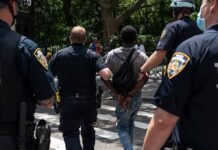
New York City police said a 9-year-old boy was hit in the leg on Bristol Street in Brownsville around 5:45 p.m. on July 5. The child was walking to play with his cousin when shots rang out. Police said he was not the intended target. Officers said a group of young men stood nearby when someone fired, and the group scattered. Detectives are pulling footage from cameras on the block to track the shooter’s path and piece together the timeline.
Relatives said the child is a kind kid from the neighborhood. Police said the boy survived and that other people were also wounded at the scene. Officials have not released all victim details yet. Officers have not confirmed how many shooters were involved or what type of gun was used. No arrests have been made. The investigation is active, and police asked neighbors to share tips and any home or store video that shows the moments before or after the gunfire.
What We Do Not Know Yet
Police have not verified claims about a specific number of shooters or the number of rounds fired. There is no public ballistics report to confirm the weapons used. Investigators have not tied the attack to a gang or a feud. Those details could change once detectives complete video reviews and lab tests. The absence of arrests, so far, points to evidence gaps that police are still working to close, including finding strong witness statements and clear camera angles.
The lack of firm details fuels stress in the neighborhood. Some residents are wary of official claims when children get hurt. Police say the kids were not targets, but there is no independent proof of motive in public records. In cases like this, camera footage and lab work often settle questions. Until then, people on all sides fear that officials will make promises, hold a press event, and then move on while families bear the cost.
Holiday Violence Pattern Beyond One Block
The Brownsville shooting was not the only July 4th gunfire reported in New York City. Local outlets counted at least 11 people shot and two killed across three boroughs after fireworks, as the city surged officers into hot spots. Police said motives were still under review. These spikes follow a national pattern in which July 4th brings more shootings than most other days each year, drawing alarm from both safety advocates and weary residents.
Brooklyn also saw a separate mass shooting in Coney Island, where eight people were wounded, including four children under 15, and a woman was left in critical condition. Police said an unknown man in black fired multiple rounds near a family barbecue. Officers recovered a gun but had no arrests as of the next morning. Investigators also looked at a prior homicide on the same block as a possible link, though no conclusion was announced.
Why This Resonates Across the Political Spectrum
Families from every background expect to watch fireworks without dodging bullets. People on the right blame weak enforcement and repeat offenders. People on the left point to poverty, trauma, and a lack of services. Both sides see a system that talks tough and delivers little. When a child is shot on a holiday street, and days later we still lack basic answers, the shared belief grows that leaders protect their image more than our communities.
Accountability here means proof, not press lines. Clear video releases, timely ballistics findings, and steady updates can rebuild trust. If police confirm the number of shooters, the type of gun, and a motive, then arrests can follow and courts can act. If video shows chaos and chance, then prevention must focus on hot-spot patrols, illegal gun pipelines, and real support for blocks that carry the most risk. Families deserve facts, not slogans.
Sources:
youtube.com, instagram.com, abc7ny.com