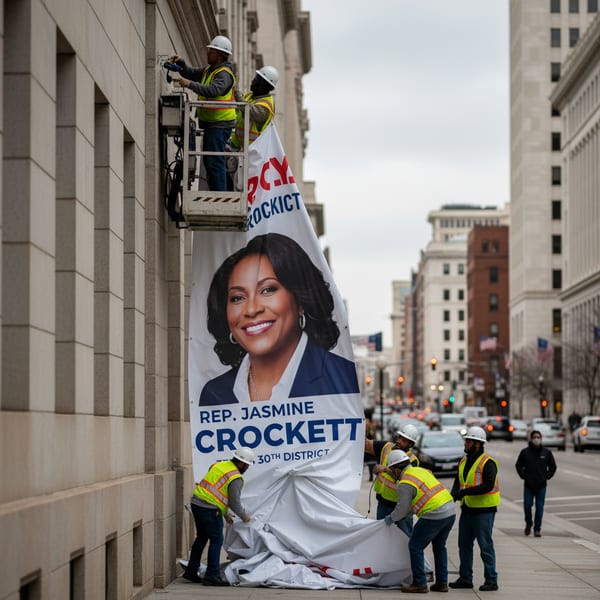
Texas Democratic Representative Jasmine Crockett, facing the end of her House term after losing a Senate primary, drew criticism for remarks emphasizing her status as one of the most powerful people in the country, sparking debate about congressional attitudes toward constituents.
Representative Defends Position of Authority
Crockett made statements asserting her position of power during public remarks this week. The outgoing congresswoman, who recently announced plans to combat disinformation, faced immediate pushback from critics who questioned whether elected officials view themselves as rulers rather than public servants. The Texas Democrat lost her Senate primary race earlier this year and will soon depart the House of Representatives. Political observers suggest she may be positioning herself for a media career as her congressional tenure ends.
Jasmine Crockett: “The level of disrespect that is continuously lobbed against us as black women. I am one of the 535 most powerful people in this country. And for some reason, you think we on the same level, but you gonna disrespect me?" pic.twitter.com/MqywRfH35o
— Western Lensman (@WesternLensman) April 30, 2026
Authenticity Claims Draw Scrutiny
The congresswoman previously stated that people fear her authenticity, a characterization that generated significant criticism. Political analysts compared her public persona unfavorably to other politicians known for carefully managed images. The disconnect between self-perception and public reception has become a recurring theme in commentary about her tenure. Critics point to this gap as evidence of limited self-awareness among some members of Congress. The comments reignited discussions about whether congressional Democrats accurately understand voter sentiment, particularly regarding accusations they level at political opponents.
Broader Context on Congressional Power
The incident highlights ongoing tensions between elected officials and constituents over the proper role of government representatives. Critics argue that Crockett’s remarks exemplify a troubling mindset among some lawmakers who view their positions as conferring personal authority rather than public trust. The contrast becomes sharper when these same officials accuse political opponents of authoritarian tendencies. Constitutional conservatives maintain that representatives should view themselves as servants accountable to voters, not as powerful figures demanding deference. The debate touches fundamental questions about American governance and whether officials remember they derive authority from the consent of the governed.
What This Means
As Crockett prepares to leave Congress, her comments serve as a reminder of differing philosophies about representative government. The reaction to her power claims reflects broader voter frustration with officials perceived as disconnected from those they represent. Whether she pursues a media career or other opportunities, the episode underscores the importance many Americans place on humility and service in their elected leaders. The constitutional principle of government by consent remains central to debates about proper conduct for those holding public office.