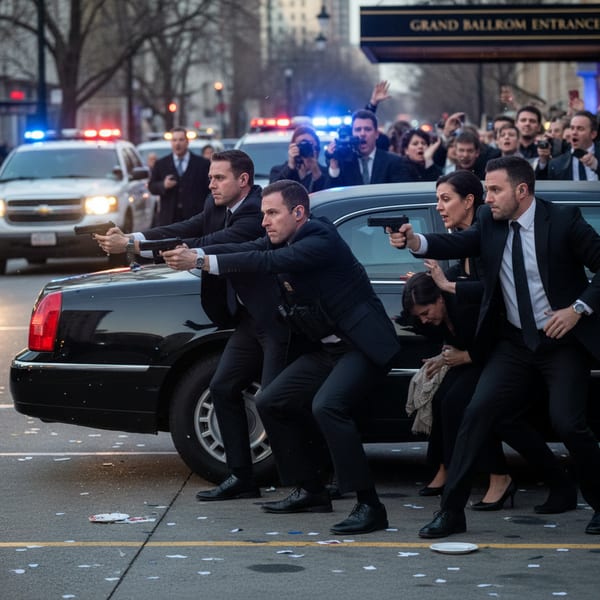
The suspected gunman who targeted the White House Correspondents’ Association Dinner deliberately excluded FBI Director Kash Patel from his kill list manifesto, despite targeting multiple Trump administration officials. Cole Tomas Allen’s chilling document revealed his intent to assassinate Trump administration figures, but the notable absence of Patel raises questions about the shooter’s motives and selection criteria.
Details of the Manifesto
Cole Tomas Allen, identified as the White House Correspondents’ Dinner suspected shooter, drafted a detailed manifesto listing Trump administration officials he planned to target. Law enforcement officials examining the document discovered Allen specifically identified multiple high-profile figures within the administration. The methodical nature of his list suggests careful planning and research into his intended victims. Investigators are analyzing the manifesto to understand the reasoning behind each selection and the strategic thinking that guided Allen’s choices. The document provides critical insight into the suspect’s mindset and potential vulnerabilities in security protocols.
Why Patel Was Spared
FBI Director Kash Patel’s absence from the kill list stands out among the targeted officials. Security analysts are examining whether Patel’s law enforcement role, public profile, or policy positions influenced Allen’s decision to exclude him. The omission could indicate Allen’s perception of different threat levels among administration members or reflect personal biases about which officials warranted targeting. Federal investigators are cross-referencing the manifesto with Allen’s social media activity, writings, and known associations to determine the selection process. Understanding these distinctions could prevent future attacks by identifying vulnerable officials and strengthening protective measures.
Security Response and Implications
The White House Correspondents’ Dinner attack attempt has prompted immediate reviews of security protocols for government officials and media events. Secret Service and FBI teams are implementing enhanced protective measures for individuals identified in the manifesto. The incident highlights ongoing threats against public servants and the challenges of protecting officials who maintain public-facing roles. Law enforcement agencies are coordinating with intelligence services to identify potential copycat threats or affiliated individuals who might share Allen’s ideology. Congressional leaders are calling for hearings to examine security gaps and funding requirements for expanded protective details.
Investigation Continues
Federal prosecutors are building their case against Allen as investigators continue analyzing digital evidence, communications, and the manifesto itself. The document will serve as critical evidence in establishing premeditation and intent. Authorities are interviewing associates and reviewing Allen’s background to construct a complete timeline of radicalization. The investigation extends beyond the immediate threat to examine broader security vulnerabilities and potential intelligence failures that allowed the plot to advance. Officials emphasize the importance of vigilance and public cooperation in reporting suspicious activities that could prevent future attacks against government officials and public events.