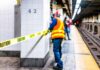
A viral “zombie-like” fentanyl video out of San Francisco is a brutal reminder of what happens when government stops enforcing basic public order.
Viral footage spotlights open-air drug activity near transit and policing hubs
San Francisco’s latest viral moment is not a tech breakthrough, but a street-level collapse caught on camera. Video showing “zombie-like” drug users near the Tenderloin circulated widely around May 1, 2026, and the scenes described are direct: people moving slowly, appearing incapacitated, and using drugs openly on downtown streets. Reports place the footage near key transit corridors, including areas around BART stations and close to police facilities.
On-the-ground coverage has presented a consistent theme: highly visible drug use in spaces regular people must pass through to work, commute, or simply live their lives. Accounts describe needles and bodily waste in public areas, with dealers operating in plain sight. For many Americans watching from afar, the question is basic—why does any city tolerate open narcotics markets and public drug consumption in the first place, especially near government buildings tasked with protecting the public?
Fentanyl’s role and the “displacement” problem facing city responses
Reporting ties much of the current street disorder to fentanyl, the synthetic opioid that has devastated communities nationwide and appears to have hit San Francisco’s long-troubled Tenderloin with particular force. While the district has had drug problems for decades, coverage describes the fentanyl era as a sharper, more lethal escalation. The viral “zombie-like” behavior highlighted in these stories is repeatedly framed as a visible symptom of deep addiction, not a one-off incident.
City responses described in the research emphasize cleanup and harm-reduction measures, including a reported needle cleanup plan and efforts linked to treatment programs. Some officials have said parts of the Tenderloin look better than they did months earlier. But multiple reports also describe a familiar pattern in permissive policy environments: enforcement stays light, and the activity relocates. Hotspots reportedly shift into nearby parks and transit areas, creating a moving problem instead of a solved one.
SAN FRANCISCO 7th & Market st pic.twitter.com/d7fP7aCzqL
— jj smith (@war24182236) April 30, 2026
Public safety, rule-of-law expectations, and what the footage communicates
The most consequential detail in these accounts is not the viral reach; it is the repeated allegation of minimal or inconsistent police presence in the middle of routine criminal activity. When ordinary citizens see open dealing and public drug use near transit stations, parks, and police facilities, they infer that rules are optional. That perception matters because public order is not an abstract “quality of life” issue—it is the foundation for safe streets, functional commerce, and the basic freedom to move around without fear.
The reports also describe residents and commuters altering daily behavior to avoid contaminated sidewalks and unsafe public spaces, including parks once used by dog walkers and families. That shift has real costs. Public spaces are paid for by taxpayers and are supposed to serve the whole community, not be surrendered to open narcotics markets. When families feel pushed out, a city effectively privatizes safety for those who can afford alternatives while leaving everyone else to navigate the risk.
Political pressure grows as international attention piles on
Another factor driving this story is how quickly it crossed borders. International creators and overseas outlets have circulated or referenced the footage, turning San Francisco’s fentanyl crisis into a global spectacle. That matters politically because city leaders cannot easily dismiss the criticism as partisan messaging when the images and commentary are coming from outside U.S. politics. The result is reputational damage that reaches beyond local elections and into tourism, business travel, and investment perceptions.
At the same time, the research reflects limits typical of viral-video news cycles. The reports emphasize vivid visuals and street interviews more than comprehensive data, and they do not resolve the core dispute about whether the city is improving or merely shifting the crisis from one block to another. What is clear is that the public expects a government—local, state, and federal—to prioritize law enforcement, treatment that actually leads to recovery, and policies that restore safe public spaces.
With President Trump now in a second term and federal agencies under direct accountability to this administration, the national political context has changed—even if San Francisco’s local leadership has not. The larger takeaway for voters is straightforward: compassion without enforcement can become abandonment of law-abiding citizens. Viral videos do not create the crisis, but they do remove the ability for officials to deny what commuters and residents say they see every day.
Sources:
Video of zombie-like drug addicts near San Francisco’s Tenderloin goes viral
‘Zombie-like’ people seen doing drugs at BART station
Indian YouTuber shares video of ‘zombie-like’ people walking on San Francisco streets, sparks debate